Balancing Chronic Pain and Everything Else

ChronicPainManagement

If you suffer from Chronic Pain/Illness of any kind, I’m sure you’ve heard of the Spoon Theory. But in case you haven’t, please feel free to read up on it here.

The basic idea is that we all have a certain amount of energy we can allocate for various activities and tasks throughout the day and for those who suffer from chronic pain or illness, they might take more energy than the typical person doing seemingly easy things (i.e. getting out of bed, going to class, etc). So basically, they have to really think about how they want to allocate their spoons and often may not have the spoons to do what they might really want.

As someone who suffers from chronic pain (chronic back pain, migraines, mental health issues), I might appear to have a limitless resource of energy. In fact, people have asked me, “How do you manage those debilitating migraines and still Get Sh*t Done?” This is a great question and I do not mean to brag as I am sure there are many other people with chronic illnesses who also get so much done despite their challenges.

My main point here is to show you that it is possible for some of us. And it may be possible for you. I wasn’t always able to get so much done, but I found ways to conserve the right amount of energy and to make tasks more enjoyable so that they don’t take so much from me. Here’s how I happen to manage chronic pain and ‘Everything Else’…

1. I wrote on this in another post, but I make the most of mornings. Even if you’re not a morning person, whenever you get up, do some immediate self-care in preparation for the day. Is it coffee? A hot shower? Drinking water? Playing video games? What can give YOU pleasure in the morning? Whatever it is, do it! It will help you associate getting out of bed with something enjoyable. For me, it consists of my Buddhist practice, putting some grapefruit essential oil in my diffuser, doing a little bit of yoga… Okay, so my morning routine is a bit long and complex, but yours does not have to be! Start of small and simple if you have to.

2. Create multiple to-do lists or calendars. Why? For me, when a migraine hits, I need to be able to look at my day and say “What can I skip if I need to stay inside in the dark?” Then I look at all I have to do and I start rearranging things so I can get something done before the worst hits, OR I schedule time in the middle of the day to rest in hopes of recovery for whatever I have in the evening. One calendar isn’t enough because sometimes I’ll scratch something off the one calendar but when I go back to the other one and I see it is still there, I know that should I magically have the energy, I can still Do That Thing. It is not perpetually off my calendar or to-do list. This really helps me because it creates the mindset that there is always a possibility of recovery or at least have the energy to do Important Stuff.

3. And sometimes, to be honest, I just Suck It Up. This route isn’t for everyone. However, I find that if I can keep myself busy through some of the pain, I can at the minimum reward myself for Being Awesome and Getting Sh*t Done despite my illness. Trust me, it feels freaking FANTASTIC when you’re like, “I just went to the gym with a migraine!!!” and everyone else is like, “How did you do that? You’re a beast!” Obviously, don’t sacrifice your health. If this isn’t an option, don’t sweat it. If you can’t go all out, still reward yourself for any tasks you completed no matter how small they feel – yes, you can feel like you own the world just for getting out of bed!

4. Remember that your pain is real. If you need to, have a friend you can text that can validate the struggles you are going through. I know this has saved me from some real mental anguish multiple times. I love having a support network that gets what this is all about. If you need one, Warrior’s Pose is a great community for such a thing. ❤

H. Schmid, Founder of Warrior’s Pose
Free Stress Relief Guide for GSRM

Hi everyone!

Here it is! The long-awaited Stress Relief Guide and Activity Book for Gender/Sexuality/Romantic minorities.

It’s completely free, yay ❤ It also was my very first book so it isn’t super long, but it’s a good, short read with lots of activities.

It is a PDF for now, and to enjoy it to your fullest, you’ll want to print it out. It’s short enough to do that 🙂 but if you choose not to print, you can follow along in the PDF and have a fresh piece of paper and pen out in front of you to do activities.

Thanks for your support!

Free Stress Relief Guide for GSRM

H. Schmid, Founder of Warrior’s Pose

6 Ways to Fight Holiday Stress

It’s been a while since I’ve been able to write here and I know I’m late for Hanukkah, but there are still holidays up and coming this season… Christmas, Yule, New Years, Kwanzaa, and like more I’m forgetting! Whatever holidays you’re celebrating this season, you’re likely getting a liiiitle stressed out. And if you’re a student, right now you might be in the midst of finals which adds to everything.

As a student myself and as someone who used to panic and get burnt out over holiday cheer, here are 6 ways you can fight holiday stress.

12-28-09 ornaments083.jpg

1. Don’t forget to breathe. No, like, I mean that. Right now, take a big deep breath. Don’t like deep breathing? No problem, just focus on your breath no matter what the pattern is or no matter how shallow it might be. Simply recognizing our breath goes a long way and can remind us when we need a break.

2. Drink some tea. This time of year, peppermint tea is wonderful as it can help you get in the “holiday spirit” while also giving you the relaxing benefits of drinking a warm, comforting beverage. If you didn’t know, menthol in peppermint is a natural muscle relaxant. Additionally, this time of year, two other health problems plague us: sinus infections and stomach issues. Peppermint tea can help clear the sinuses as well as calm the stomach from all that stress built up in your system! (Source).

3. Get some exercise in! When we are stressed, our muscles tense up. Exercising even if it is a brisk walk, a short jog, some yoga, doing Dance Dance Revolution, or whatever it is that works for you, will help to rid your muscles of tension. Stretching will also aid in this process.

4. Treat yourself too. This is something I still have a hard time with. I love getting presents for people and surprising people with awesome gifts. However, don’t forget that you deserve a treat as well. While I’m not saying to go out and get yourself ALL the gifts, treating yourself to something small for the holidays can remind us that we are human and need to feel loved and cherished by ourselves.

5. Eat well, but still eat some cookies! In the spirit of treating yourself, remember that even if you are a healthy eater (like myself), you can work by the 85/15 rule, especially during the holidays when so much delicious food surround us. Don’t give up on your healthy lifestyle and eating, but know that 1 out of every 7 food choices can be a “treat” like a holiday cookie, some cake or pie, or whatever you enjoy this time of year!

6. Have a support network on hand. This is especially important if you’re going to celebrate the holidays in a tense family situation. Ask one of your friends to be your “stress call”… that is, if the holiday environment or family becomes too much, instead of reacting right on the spot, have someone you can text or call to vent to. Make sure they are okay too! Everyone is stressed this time of year and it’s important to acknowledge everyone’s individual mental health state.

If you are still stressing, don’t worry. Keep in mind that the holiday season is only a small percentage of the entire year. And there’s a whole year coming up! What do you have planned for all of 2016?

-Hope Schmid, certified yoga instructor, healthy lifestyler, passionate about stress relief

Intermittent Fasting and “Cleansing”: One Way to Destress

Note: None of this is medical advice. Always see your doctor before making dietary or lifestyle changes. This is my own personal experience with fasting.

fast

Last week, I fasted for two days, intermittently, for my first time.The overall effects were amazing. But what was my reason behind it? For me, I wanted to give my body a time a “reset” so to speak. And I also was looking for a challenge. Activists and passionate people might fast for a variety of reasons. It could be for religious purposes. It could be to fast in solidarity with friends, or in honor of a certain event. Fasting is used all over the world, across cultures, for a variety of reasons. However, fasting doesn’t have to mean going completely without food; it could be “intermittent” fasting or a “cleansing” fast.

What is intermittent fasting? Intermittent fasting refers to any refrain of eating meals whether it be during certain hours of the day or even up to a couple of days at a time.

How can it be healthy? Some people healthily skip breakfast each morning and only eat between the hours of 12-8pm each day. However, the way I did my fasting was that I fasted for two days consecutively. However, I still put nutrients in my body interspersed throughout the day. Since I was going two full days without big meals, I took supplements that helped revitalize my system and keep me going. This also means I could still do mild exercise.

Was it hard? Yes, for me. In fact, the first day, I had to “have a meal” for dinner. However, it was small, but was necessary to sustain me. Listen to your body! If you are getting certain reactions to fasting, you might want to eat! I will say though, it wasn’t nearly as hard the second day. It was a breeze in comparison.

What did you learn from it? Intermittent fasting with cleansing (cleansing here referring to the nutrients I gave my body throughout the day) was a challenge. I’m an activist and I love challenges! It made me feel very accomplished after the second day even though the first day was rough. I learned it was right for me and my body to include this into my lifestyle.

What about stress relief? Because you’re giving your body a “break” from full meals, it gives your body a way to decrease stress. It didn’t have to “work” to break down those meals into parts. It was very relaxing and I felt more mental clarity. Additionally, because my body had to pull from reserves of energy already in my body, I felt more refreshed, especially after light exercise.

I’m interested! How often should I do this? First, like I said, talk to a doctor first! Second, feel free to message me at hope.e.schmid@gmail.com for more info on fasting and cleansing. Depending on your goals and your body, you’ll want to fast for different amounts of time.

(Great source on the science behind Intermittent Fasting: http://www.nerdfitness.com/blog/2013/08/06/a-beginners-guide-to-intermittent-fasting/)

-Hope Schmid, Founder of Warrior’s Pose

Making the Best of Mornings

Good-morning-wishes-hd-images

I’m a morning person, through and through. I wake up naturally normally between 6 and 7am. Once I’m up, I’m up. I get out of bed, I do my morning meditation and yoga, make myself a cup of coffee and check emails/do work. However, not everyone has so much energy in the morning!

Even if you’re not a morning person, making the best out of mornings can set you on a good path for the rest of your day. While it may seem cliche, here are some tips for making the best out of mornings 😀

  1. Plan for the morning. The night before, consider what you have to do when you get up. Can you get your mug out and set your coffee pot up so all you have to do is flip a switch in the morning? Can you lay out your clothes so you can easily slip into them? Can you make your room a sacred space at night so when you get up in the morning, you’re reminded to do your meditation/prayers/yoga/go for a run? Maybe set our your running shoes so they’re waiting for you, or tidy up your floor space so when you get up, you are reminded to take time stretching or meditating. Do whatever you can to create a sacred space for yourself in the morning.

2. Have a determination or goal. Before you get out of bed, think about a determination or goal for the day. Confidently repeat this determination for yourself. Maybe your determination *is* getting out of bed! Make a vow to yourself and see it through.

3. Indulge yourself. Once you’re up and awake (after whatever morning rituals you might need to engage in such as meditation, prayer, yoga, or running), reward yourself! Make that cup of tea. Eat a good and healthy breakfast (high in protein and fiber if you can… eggs and fruit are a good combination). Go play around on the computer for a bit. Take a nice, relaxing shower. Remember that this time is for you.

4. Goal setting. Set the rest of the goals for your day. By now you should have the energy and capacity to consider what really needs to get done! Keep up this energy throughout the day. What do you need to get done for the mission of your activism/job/school? Who do you need to help today? Who do you need to reach out to? Remember, you’re one step closer to creating positive change since you made the best of your morning.

-Hope Schmid, Founder of Warrior’s Pose

Autumn Change: Make it About You

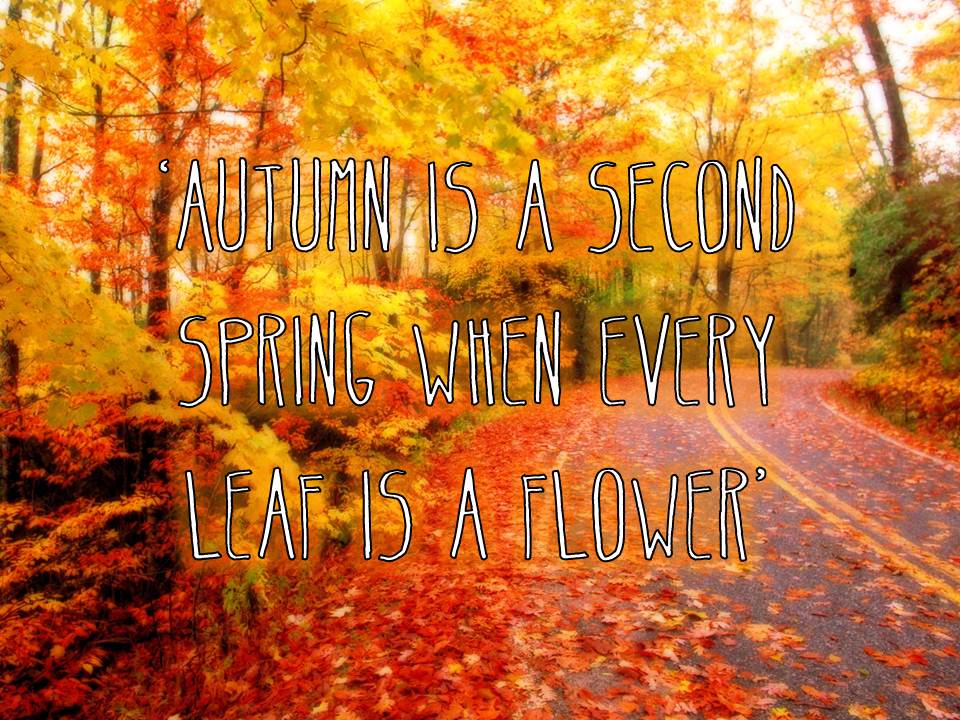
Autumn is a time for change. We all know that. We see it in our environments immediately taking place. Many of us find the changing of the leaves to be beautiful. So why is it that when big life events happen or when we need to change, we feel distressed, worried, and feelings of anxiety often overwhelm us?

Psychology tells us that adapting to change is one of the biggest factors that predicts success in coping and becoming happy. However, it’s normal to feel overwhelmed in our lives and to feel anxious when change is occurring; we fear loss and that is part of the human experience. But don’t let those feelings completely overcome you! Just like the leaves changing in the fall, there is beauty in it.

This autumn, I encourage you to challenge yourselves in these two ways:

  1. How can I see the beauty of change in my own life? (i.e. “I’m changing jobs… what about this can be beautiful?” or “I’m preparing for grad school… what value can I see in this experience?”)

2. What ways can I change myself to have a positive influence on others? (i.e. “Can I be more conscientious of other people’s journeys?” or “Can I learn not to pass judgement so quickly?”).

These exercises are not easy. Personally, right now I’m going through a lot of change. I have my future career on my mind, I’m thinking about where I’ll be living next year, and all of that comes with mixed feelings of excitement and nervousness. As for turning inward to my own self, I am on a daily mission to encourage others, and with that, I need to change and be more patient with others. Not everyone is in the same place in their lives right now and I need to remind myself of this!

So how will you change this Fall?

autumn

(Source on Adapting to Change: http://psychcentral.com/blog/archives/2014/09/27/adapting-to-change/)

-Hope Schmid, Founder of Warrior’s Pose